

Best Use Cases for Drum Screening Equipment
Drum screening equipment is used during pre-treatment stages to remove solid debris, capture fine particulates that can damage other parts of the system, and increase the efficiency of wastewater treatment operations.
With the right design, they can handle high volumes of wastewater and intense solids loading. They also help reduce wear and tear on finer screens while providing energy-efficient service with minimal maintenance requirements.
However, as with all other screening options, drum screens can be configured in multiple ways, each with specific use cases. The two primary drum screening configurations are internally and externally fed.
Internally Versus Externally Fed
Internally fed systems use an inlet that releases the water into the center of the rotating screen, while externally fed systems spread it over the exterior of the screen and let the separated water flow through to the middle.
Aside from the obvious design differences, these two types of drum screening equipment offer distinct benefits.
Internally Fed Drum Screening Use Cases
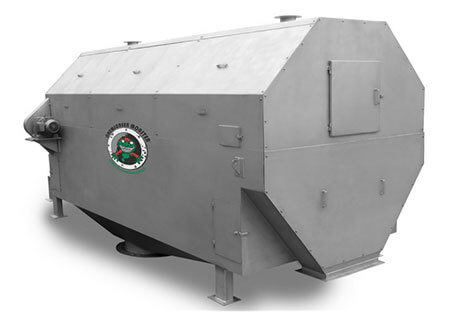
Internally fed drum screening equipment works well for early stages of treatment, when coarse solids are removed. They’re also ideal for municipal facilities with sudden changes in volume or constant high-volume flows.
Some of the most common use cases include:
Headworks With Solids Issues
Headworks struggling with mixed coarse solids, such as rags, sticks, and paper products, can benefit from an internally fed drum screen with plenty of space for debris accumulation.
The headworks are where the majority of solids removal occurs, and municipal plants need screens that can handle a range of materials and debris sizes without clogging. The constant movement of the rotating screen sends materials down to the end of the unit for collection and removal, with minimal need for rinsing with clean water.
High-Volume Wastewater Flows
The internal feed design works best for high-volume flows. For example, drum screening equipment from JWC Environmental that relies on internal feeding can handle a maximum of 12,000 gallons per minute (GPM). Since the waste stream flows directly into the center of the screen, thousands of gallons can fill the cavity without impeding the screening effect. Debris-free water flows into the rest of the treatment process without delay, even when there’s a major storm surge or release during peak use of the sewage system.
High Solids Loading
In addition to handling waste streams with coarse solids mixed in, internally fed drum screens can work well for treatment facilities handling finer particulates. Fine particles and fibers can damage sensitive bioreactors and clog screening equipment used further along the treatment plan.
With the right screening media, internally fed drum units can remove fibers, grit, sand, and more while still handling high volumes. While the same screening equipment won’t necessarily handle both fine and coarse solids simultaneously, this type of drum screen can be easily modified to meet either need at different steps in the treatment process.
Smaller Plants & Facilities
For smaller plants with lower flows, internally fed drum screening may provide all the fine and coarse solids removal needed in the pre-treatment stage. While these applications won’t come with the highest solids loads or the largest volumes of water, they’ll allow for a more generalized use of the equipment. Because the right screening material allows rotational action to remove a wide range of solids, an internally fed drum provides the most versatility in a single package.
Externally Fed Drum Screening Use Cases
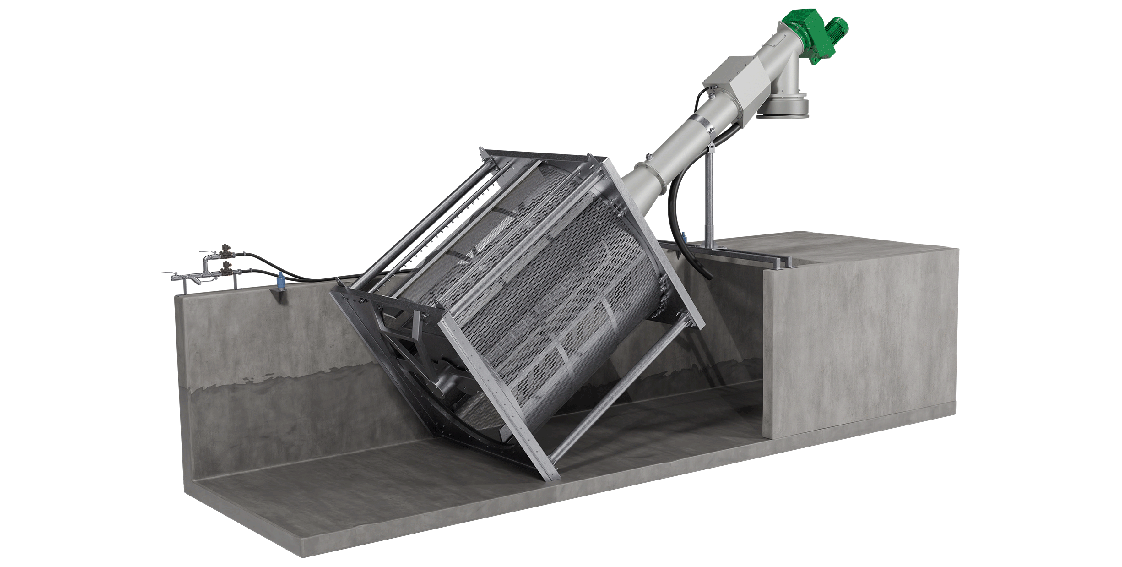
Of course, internally fed drum screening equipment isn’t right for every situation. For food processing and industrial wastewater treatment plants, externally fed designs work better. The best use cases for externally fed models include:
Fine Screening
Mechanical bioreactors allow for advanced treatment of organic waste with the help of microorganisms. However, the membranes used to culture the needed colonies of bacteria and other organisms are sensitive to damage from fine particulates, sand, and fibers mixed into the partially treated waste stream.
Externally fed drum screens provide the reliable fine screening needed to protect membrane bioreactors and other parts sensitive to grit and fibers. That’s also why you’ll find these drum screens preferred for applications such as textile processing, food processing, and abattoir wash water treatment.
Secondary Screening
Internally fed screening drums are best used in the pre-treatment stages for coarse debris. If you’re looking for further screening at the secondary stage to remove scum, suspended particles, or other tricky materials, an externally fed design makes more sense. Running the waste stream over the surface of the rotating screen captures what was left behind by coarse screens in earlier stages with a minimal energy cost.
Sidestream Wastewater Processing
Sidestreams allow targeted processing of highly concentrated wastewater that has been separated at the start or at an early step in treatment. However, not all screens can handle these kinds of concentrated loads of solids and dissolved solids. Properly designed drum screens provide sidestream waste processing with less clogging and cleaning, especially when they’re built for external feeding.
High Oil & Grease Wastewater
You’ll find externally fed drum screening equipment used in food processing and industrial wastewater treatment plants where the stream contains high oil or grease content. Oil forms a film on screening equipment and fine mesh, but the rotation movement and circulating effect provided by the drum screen interrupt this effect and prevent clogging. You’ll get better results with an externally fed design because it provides greater agitation and can be easily upgraded with blades that remove debris from the exterior of the screen.
Screen Plugging Risks
When your waste stream is clogging other screens due to clarifier scum, sticky residues, or silt particles, switching to an externally fed drum could solve the problem. Between the opportunities for automated surface scraping and the tumbling action of the drum, plugging and clogging occur far less often and reduce the labor required for routine maintenance.
Find Your Screening Solution
JWC Environmental manufactures reliable drum screening equipment for municipal and industrial wastewater processing applications, including the Drumscreen Monster, available in externally and internally fed designs.
Visit our website to explore our screening technology, or contact a representative today to find your solution.