

6 Wastewater Challenges Resolved by JWC Environmental’s MevaScreen RSM Monster
Without proper processing, wastewater can quickly become a public health hazard when released into natural waterways. However, with proper processing, it becomes a stable and non-damaging addition to any river or wetland area.
The problem is that proper processing isn’t easy to achieve because wastewater streams change, as do the federal, state, and local guidelines that regulate them.
In this blog, we’ll explore how our new MevaScreen RSM Monster can help wastewater operations managers deal with common challenges such as varied flow rates, different particle sizes, and clogs.
#1 Variable Flow Rates
Wastewater treatment plants, especially those built for municipal or public use rather than a single source of effluent, rarely receive a steady flow of water. They’re usually tackling extreme fluctuations in flow volume, with the incoming stream slowing to a trickle during dry or low-use conditions, and then rising to a flood during peak usage periods and storm events.
The MevaScreen includes multiple rakes that work simultaneously to handle high solids loads, even when it’s fine particulate such as sand and grit. There’s no need for system shutdowns during heavy loads because the sustained slot width over the entire surface of the screen ensures consistent performance, even at peak periods. It’s an adaptable system that doesn’t require manual resetting to adapt to varying flow rates. The progressive motion ensures uniform slot width over the entire screening surface, which means that water rushing in doesn’t disturb or reduce the effectiveness of the screens.
#2 Varying Particle Sizes
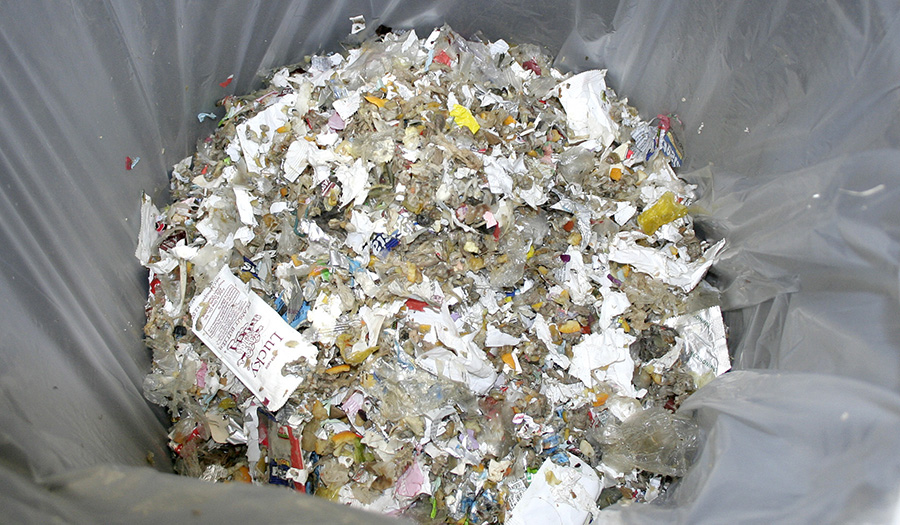
Most municipal waste streams and many private sources of wastewater contain significant amounts of suspended solids and debris, combined with scum and grease layers floating at the top. It’s no wonder that most conventional screening equipment becomes overwhelmed, which ultimately leads to higher labor costs and downtime for waste processing as the screens are manually cleaned and reset.
With the MevaScreen, there’s no need to worry about particle size impacting cleaning. This unit contains a cutting-edge progressive-step fine screen design, allowing for bottom solids separation to reduce the amount of material that makes it to the rakes. Covered lower bars also minimize the pass-through of solids, eliminating blockages caused by abrasive debris like sand and stones. Even micro- and nanoparticles are easily trapped by the ultra-fine screens. The whole system provides a higher screenings capture and removal rate than average traditional bar screen designs. This means the waste stream is better prepared to benefit from the secondary stage of treatment, speeding up the entire treatment process in many cases. It also helps protect sensitive metering and pumping equipment by reducing internal wear and the chances of clogs that can lead to damaging pressure spikes.
#3 Screen & Pump Clogs
Screening equipment and the pumps supplying the wastewater are prone to clogging due to the combination of dissolved and non-dissolved solids. Large debris slows down the flow, trapping silt and fine debris until there’s a solid clog, which then slows down or halts wastewater treatment and contributes to costly downtime. Screening is usually one of the primary stages of treatment to reduce wear on the rest of the system. However, even the best screening equipment is prone to clogging and shutting down if it’s not cleaned on a regular schedule.
We understand this unique municipal wastewater challenge, which is why we engineered the MevaScreen with a continuous self-cleaning feature that prevents clogging. The ultra-fine screening filters out debris and dissolved solids down to 0.5mm, reducing the chances of clogs further down the treatment process as well. There’s less need for constant inspection and manual maintenance, while you also benefit from a lower risk of clogging altogether. Why spend more time on maintaining screening equipment when you could reallocate that labor to other essential monitoring and cleaning tasks?
#4 Continuous Operation
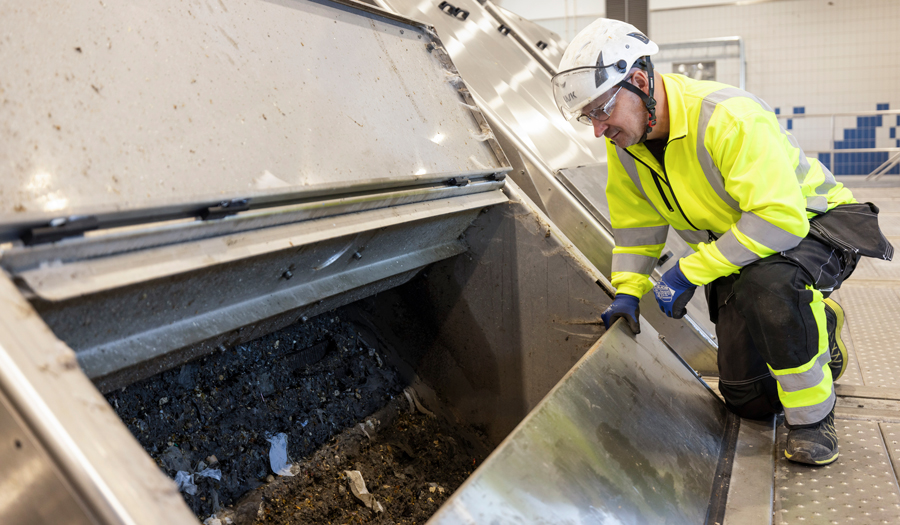
Municipal wastewater treatment plants need to operate around the clock to stay on top of surges. However, it’s difficult for many plants to achieve constant uptime and continuous operation due to labor shortages and costs, the need for manual cleaning and clearing of clogs, and challenging waste streams that interrupt processing. Without continuous uptime, municipal treatment plants can fail to meet their quarterly water quality goals and face local, state, and EPA fines. It’s impossible to just keep storing wastewater for future treatment during prolonged outages or rush conditions, leading to costly and potentially dangerous releases of untreated water.
Since the MevaScreen cleans itself and requires far less maintenance due to its revolutionary design, it can help prevent full system failures by providing better debris removal without adding to the workload of your treatment crew. You’ll achieve higher uptime numbers, tackle storm surges without the risk of slowing or shutting down, and make the most of your maintenance team during challenging events.
#5 Equipment Degradation
All wastewater treatment equipment eventually experiences wear and tear from constant exposure to flowing water. But the debris in the average wastewater stream, especially sharp pieces of metal and grit, accelerates degradation and reduces the lifespan of equipment. Acidic or corrosive chemicals often dumped into municipal waste streams further worsen the damage. Some parts of the system are even sensitive to fouling from grease and scum in the floating cake layer of the water.
The MevaScreen is built from stainless steel and carbon steel to help it last for decades with minimal wear. Both types of steel are minimally reactive to corrosive, acidic, and greasy elements found in common wastewater mixtures. With its robust design, you have less of a need for pre-treatment to protect the screening equipment, leading to more rapid first-stage processing and fewer costly additives. If you’re working with a particularly harsh, abrasive, or corrosive stream, JWC Environmental can also customize the design based on environmental needs, such as adding ice and weather protection or an anti-condensation heater, to further improve the unit’s durability and lifespan.
#6 Limited Space

Today’s wastewater plants have to squeeze more equipment into less space than ever, and most have to work with existing infrastructure with little opportunity to expand. The concrete used in wastewater plants may last through decades, even with exposure to the moisture and corrosive elements in the waste stream, but it doesn’t make for easy alterations to crucial details like the channels that transport the water throughout the facility.
When retrofitting an older plant, the MevaScreen’s compact design is particularly useful. It can be easily installed in channels as wide as 6.5 feet deep without any need for costly and time-consuming channel alterations.
Learn More About the MevaScreen Today
JWC Environmental is committed to engineering innovative wastewater treatment products that help today’s essential plants overcome modern waste challenges. When you switch to the MevaScreen RSM Monster, you’ll notice fewer clogs, better efficiency, and easier compliance. Contact a product specialist at JWC Environmental today to learn more.