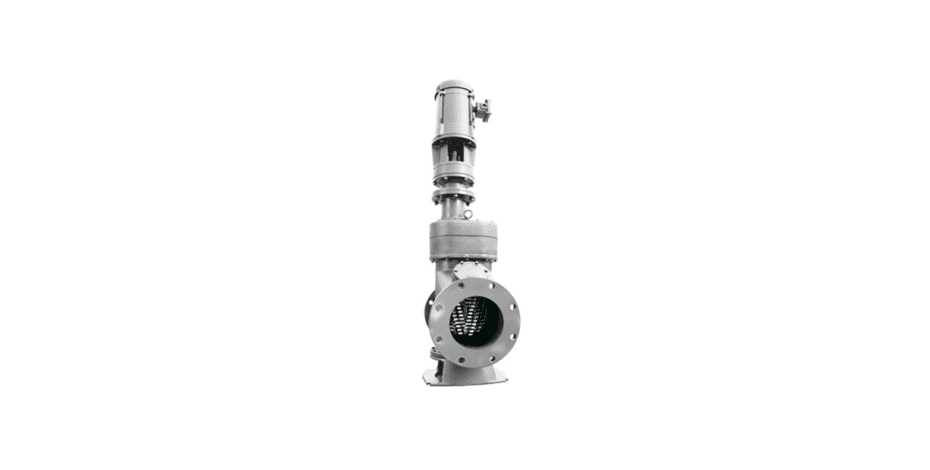
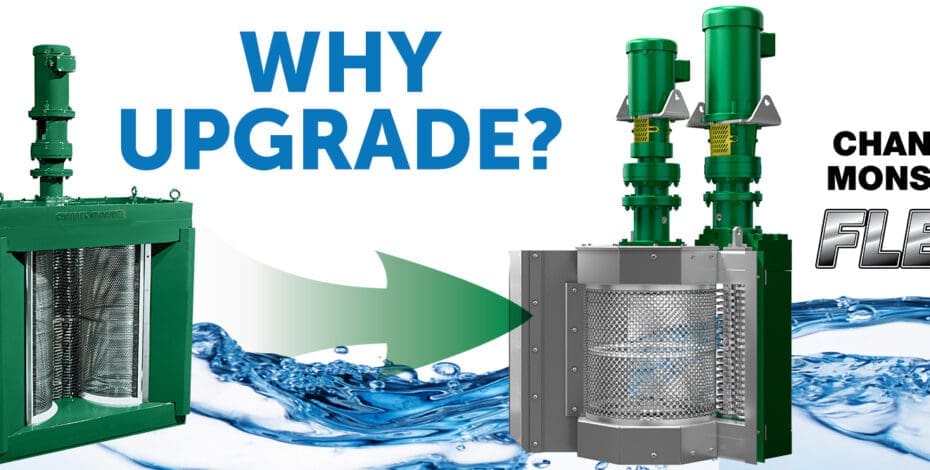
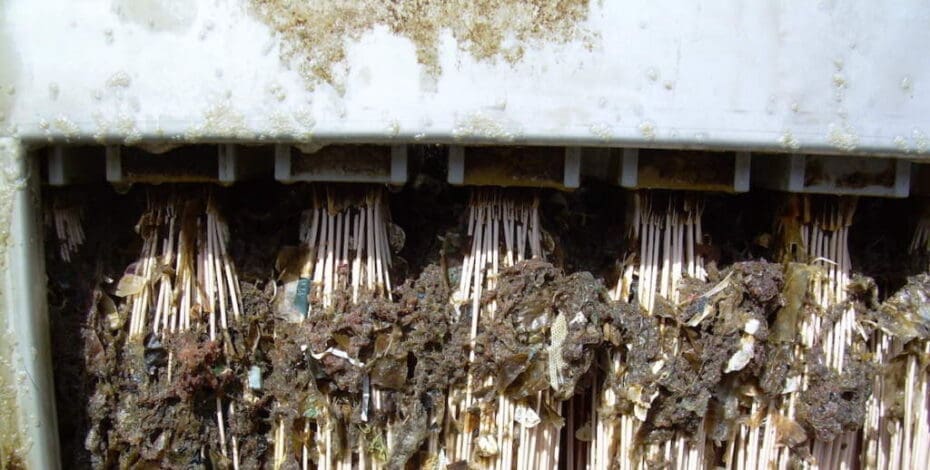
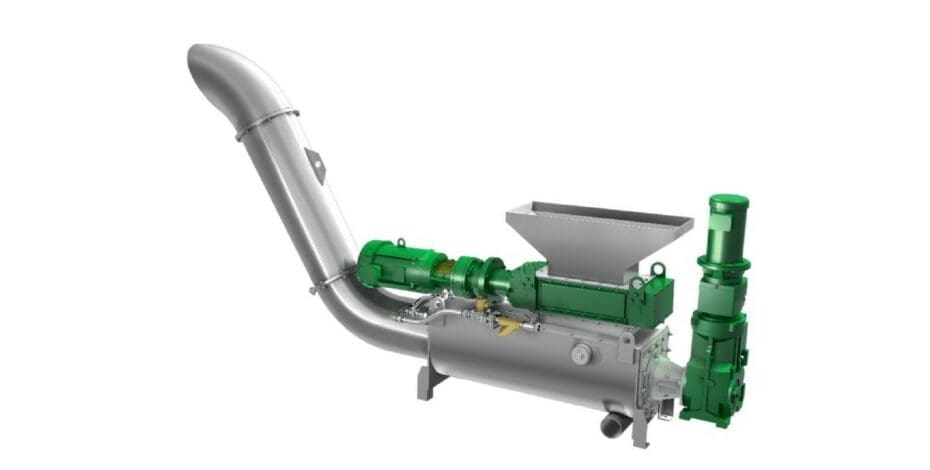
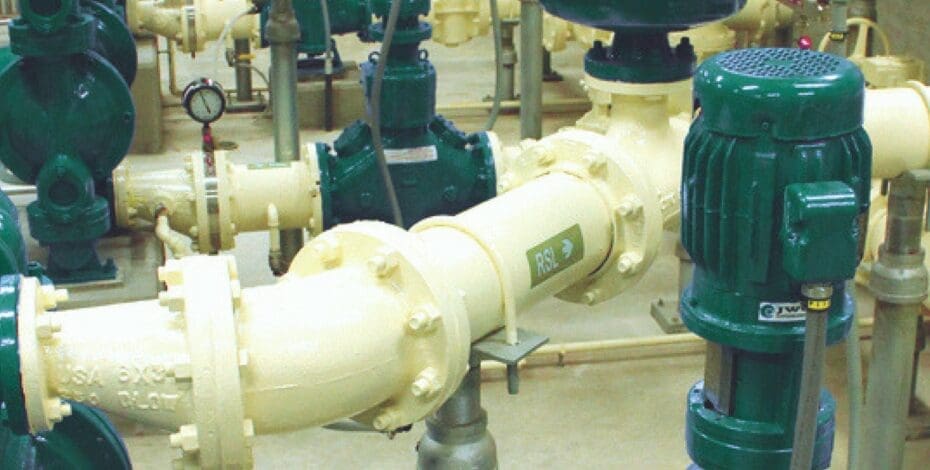
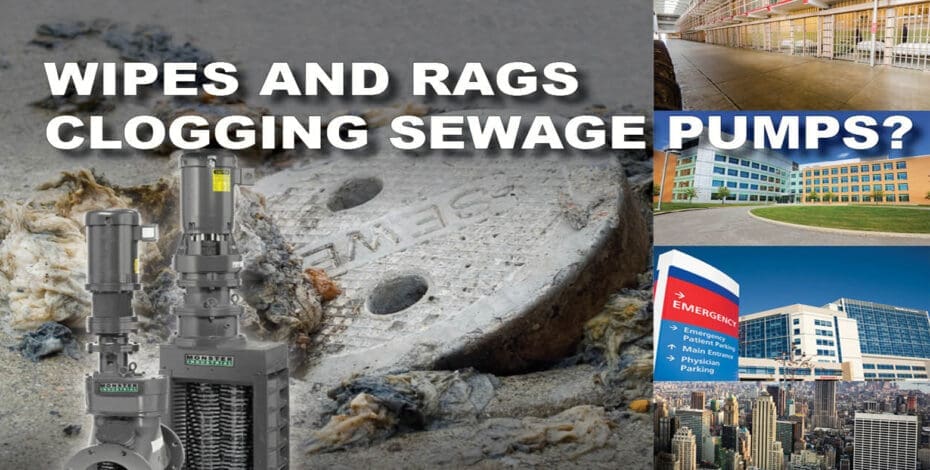
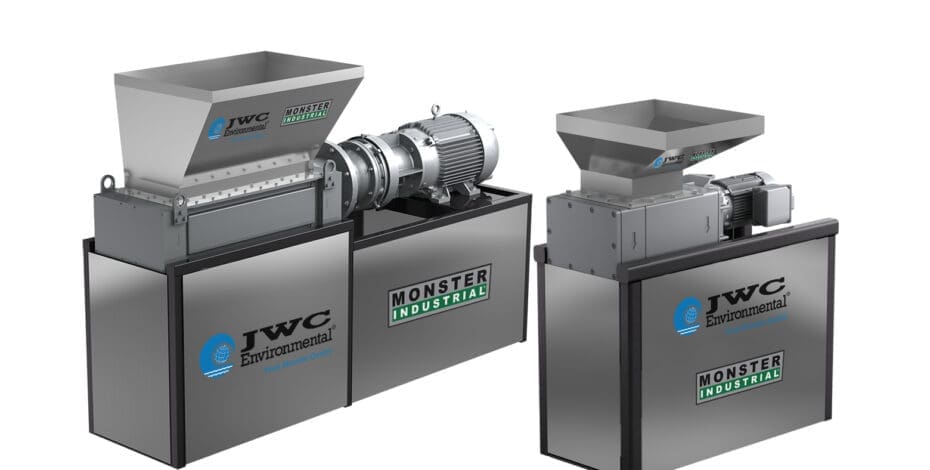
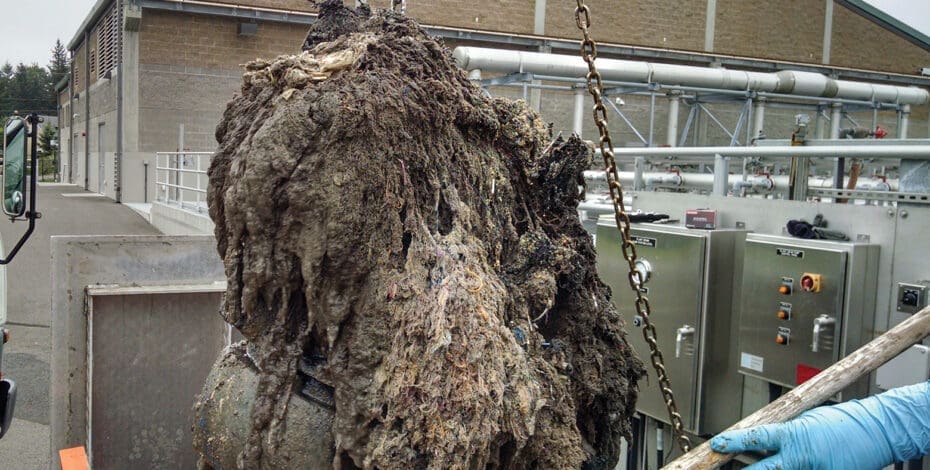
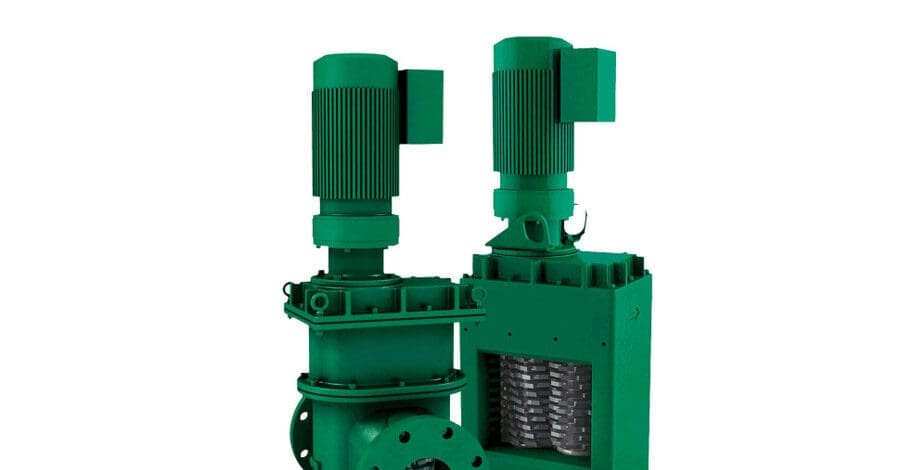
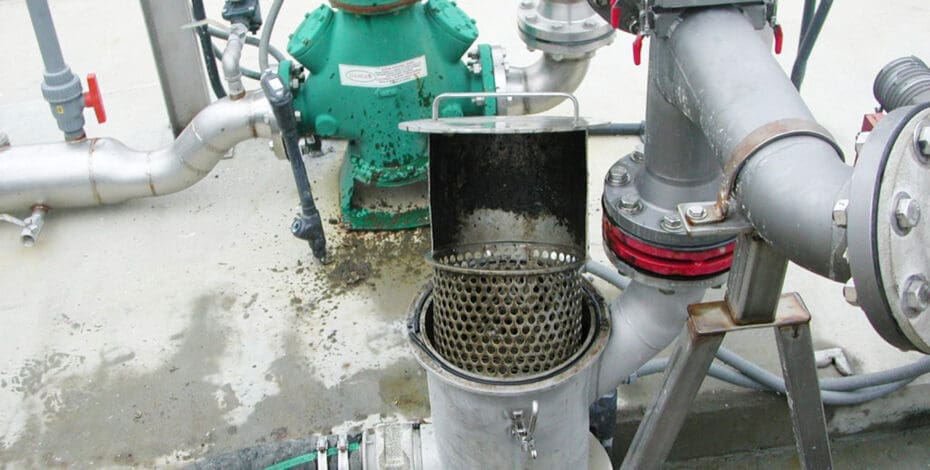
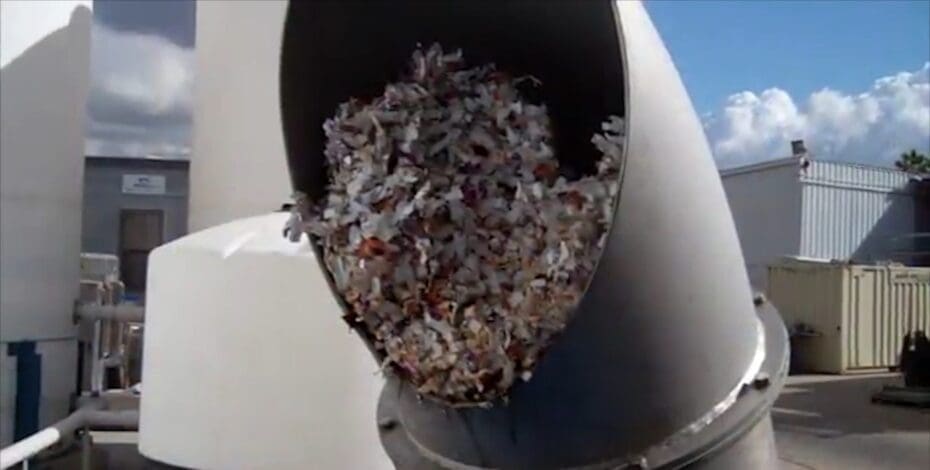
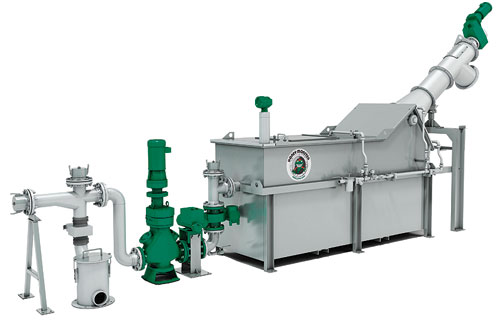
JWC Environmental is proud to introduce the new Sludge Monster® grinder – built to protect sludge pumps, heat exchangers, centrifuges and other dewatering equipment from clogging with rags and debris.
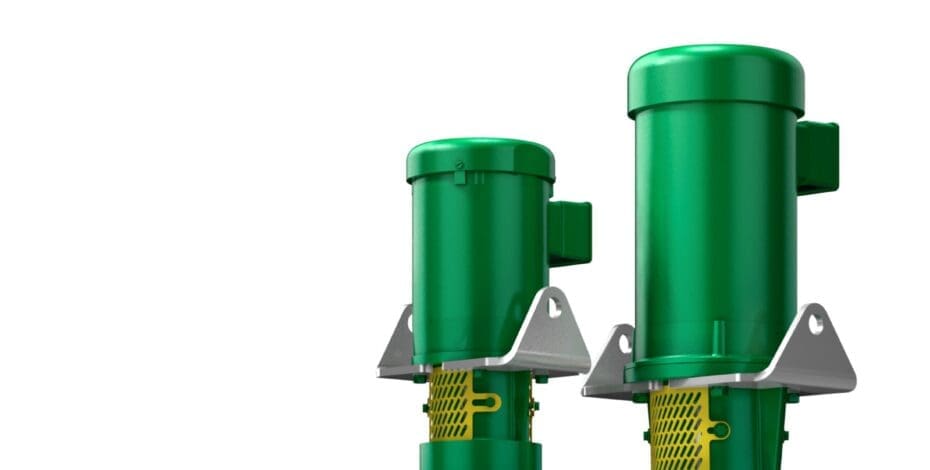
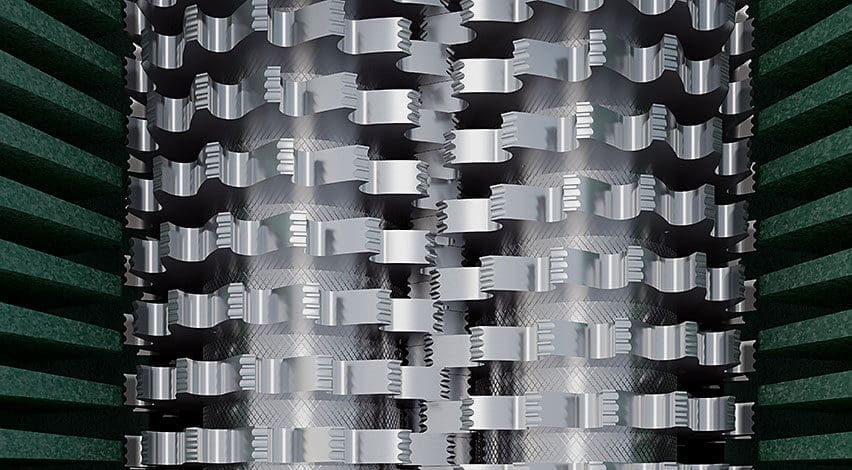
The in-line Sludge Monster uses the same low speed, high-torque design as the bigger Muffin Monster®, but in a compact and economical package. This Monster produces 3 times the torque and 5 times the cutting force of high-speed macerators. Over twenty thousand Muffin Monsters are installed protecting pumps and equipment from clogging and ragging.
The Sludge Monster is also energy efficient using 27% less energy than a typical high speed macerator. A 2-hp (1.5kW) motor generates all the torque needed to reliably shred rag balls and trash into small particles. The low-speed design also ensures a long service life. This efficient design results in a lower life-cycle cost than high-speed macerators with larger motors. Read the rest of this entry »
According to USC’s Marshall School of Business only 1 percent of U.S. companies export to customers overseas, despite the fact 95 percent of consumers live outside America’s borders. This makes JWC Environmental a part of the 1 percent. In March Ron Duecker, JWCE’s President, was a panelist speaker at the Asia / Pacific Business Outlook Conference at the University of Southern California. He also spoke at the 2011 conference where this video interview was filmed.
Mr Duecker provided an exporter’s perspective on the importance of networking and the advantages of attending this conference. APBO is a premier business conference focused on trade and investment in Asian markets and is held every spring at USC.
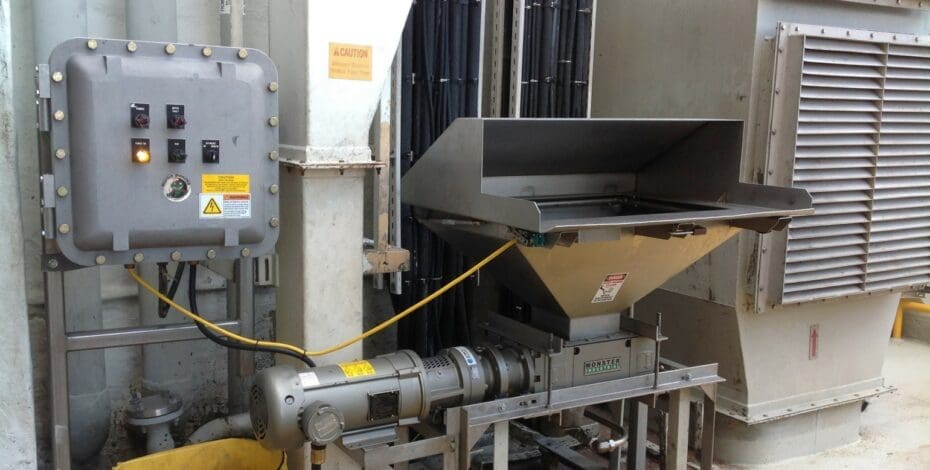
Sludge Monster- a small and rugged sludge grinder that fits 4″ (B100) and 6″ (B150) pipelines
JWCE will host product demonstrations and customer presentations in their booth. In addition to our sales staff, Bob Pepper, JWC International’s Director , and Rob Sabol, Director of Research & Development will also attend.
The IFAT show will be held in Munich from May 7th to 11th. It is one of the largest environmental shows in Europe.
Scott Kelly, JWCE’s Vice President of Sales and Marketing advocates a more efficient and bigger ‘Super Bowl” of water conferences. This opinion article ran in the March 2012 issue of Water World magazine…
With Super Bowl XLVI behind us, I imagine what I would be doing the first Sunday of February if the old AFL and NFL never combined their teams in 1967 to form the first Super Bowl. We all know the first Super Bowl had its doubters, but 46 Super Bowls later, it has become the most watched television event drawing a worldwide audience and record advertising revenue.
Fast forward to today. Imagine you’re standing in the middle of the world’s largest water show at New Orleans’ Convention Center. There’s a buzz from 20,000+ attendees all around you as they talk about water projects, products and innovation. In a conference room upstairs a national clean water association is hosting round tables with federal, state and municipal leaders talking regulations. In another room a membrane association is conducting in-depth certification training for operators and mechanics.
You’re surrounded by over 1,500 exhibit booths with new product unveilings going on all the time. Three rows down the stormwater technology area is buzzing with new exhibitors while a national stormwater association hosts innovative technology sessions right on the show floor.
>> Tell us your opinion on a combined WEFTEC-ACE conference, visitwww.jwce.com/quiz
Only a dream? For industry professionals and manufacturers it could be a dream come true. Imagine combining our two separate water shows into a single ACE-WEFTEC World Water Week. Both WEF and AWWA are dedicated to knowledge, networking and helping their members move forward in their careers. Imagine what we can accomplish if we get together in the same place.
The Rockaway Valley Sewerage Authority recently chose JWC Environmental’s Monster Separation System for an upgrade to their wastewater treatment plant’s headworks. The Authority purifies 10-11 million gallons per day (1,500 m3/h) of wastewater from several cities in central New Jersey in order to keep local rivers and lakes clean. JWCE recently received the purchase order for the system.
The Authority provides wastewater treatment service for the towns of Dover, Boonton, Boonton Township, Rockaway Borough and Rockaway Township among others. The treatment facility is an oxidation ditch type system and the Chain & Rake Monster continuously raked bar screens were chosen because they quickly screen out, grind-up, compact and dewater unwanted rags, trash and debris. This allows pumps and downstream systems to operate more efficiently and without clogging.
Screenings Washer Monster XE also includes a new Smart Controller and triple zone spray wash to thoroughly clean and compact debris. The SWM removes nearly all fecal matter and can compact the cubic volume of material by up to 95%. Cleaner, more compact screenings discharge helps utilities save more money on hauling and landfill expenses.
JWCE representative Robert Fenton with GP Jager and Associates reports the project will be one of the largest installations of Chain & Rake Monsters in New Jersey and one of their largest JWCE orders ever.
The consulting engineer on the project is Hatch Mott McDonald. The construction contractor is MBE Mark 3 of Madison, NJ.
JWCE’s perforated plate fine screen helps provide a high capture rate of wastewater solids which allows for a discharge that is remarkably clean and ready for disposal.
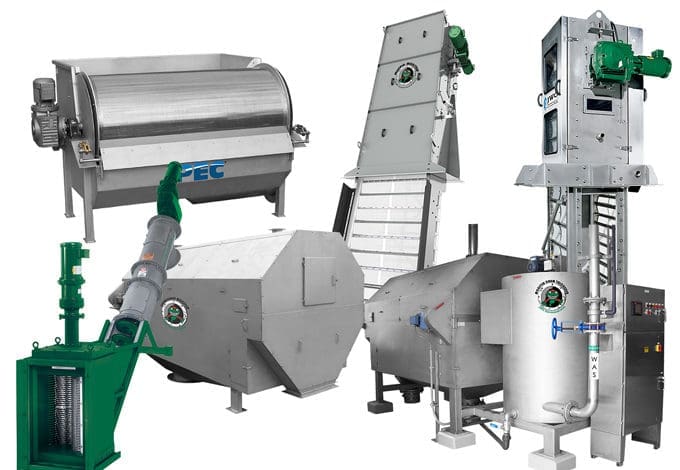
In recent weeks JWC Environmentalhas landed several major headworks upgrade projects for wastewater treatment plants in the USA and China. The purchase orders for Monster Separation Systems® underscore the popularity of perforated plate finescreens to capture and remove far more debris at the headworks.
Finescreens have higher screen capture ratios, removing more material than bar screens pick-up, according to an independent UK Water Industry Research report.
“The industry is moving towards finer screening,” said Kenny Oyler, Director of Monster Separation Systems. “Our perforated plate finescreens are more popular than ever because it’s more important than ever to remove all the unwanted debris at the headworks.”
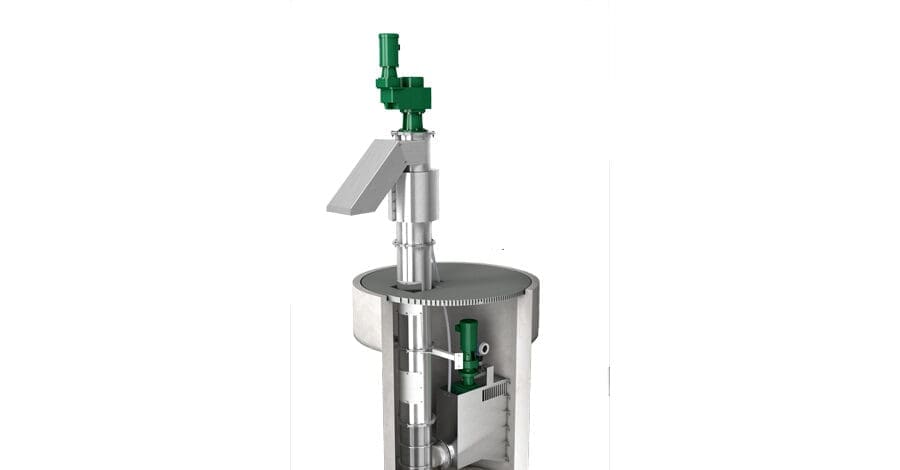
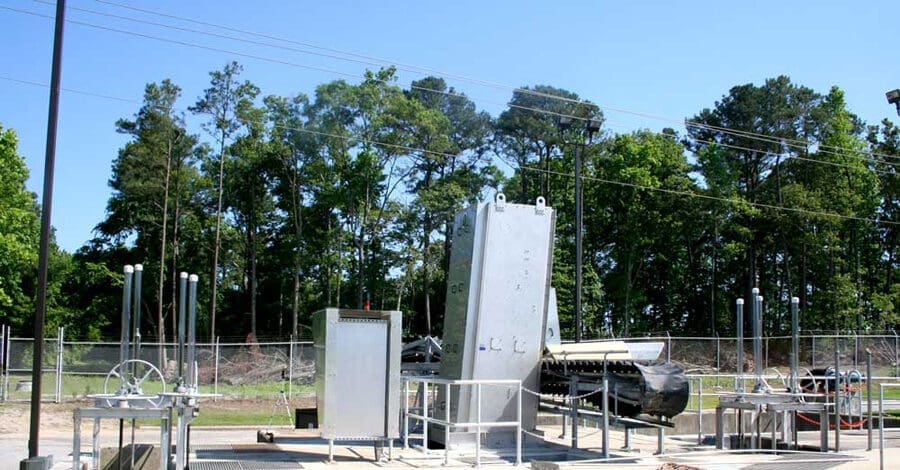
The new vertical Auger Monster captures rags & protects pumps.
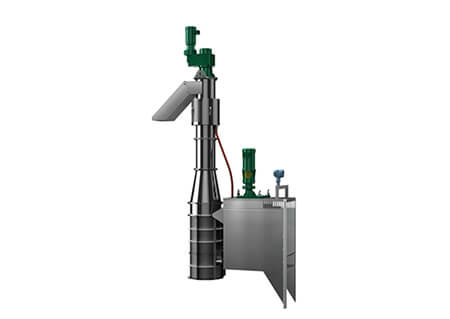
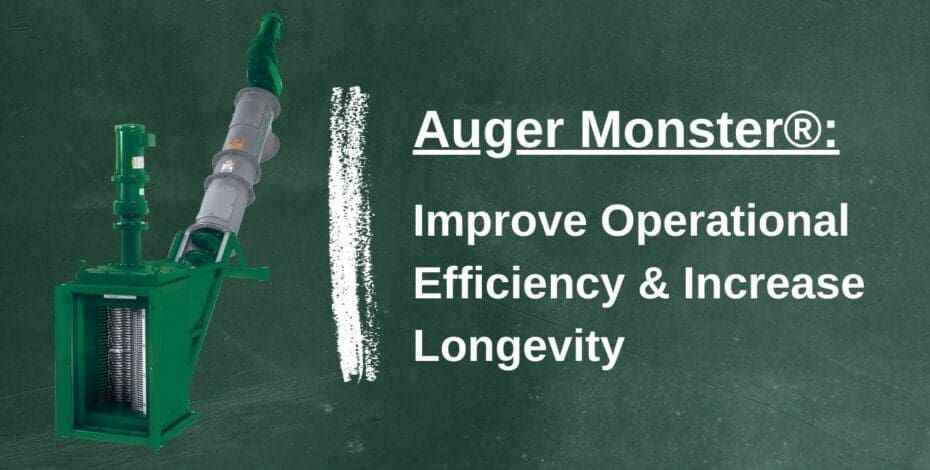
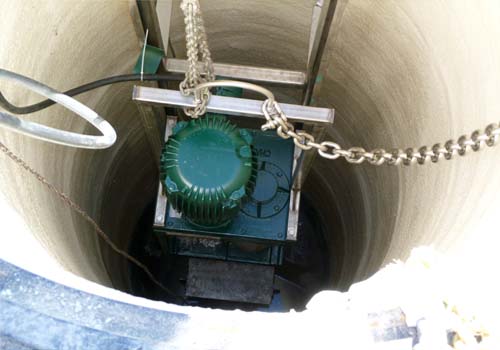
Wastewater pump stations are facing an influx of sewer clogging rags and debris, so JWC Environmental engineers developed a breakthrough vertical Auger Monster® screening system to fit inside cramped pump stations and provide complete pump protection.
Once installed, Auger Monster model AGV safely and easily screens, cleans and conveys rags and debris straight up and out of the sewer system. This gives collection system managers an affordable new way to remove rags before they can clog sewage pumps and eliminate the wasted time and expense of de-ragging a pump.
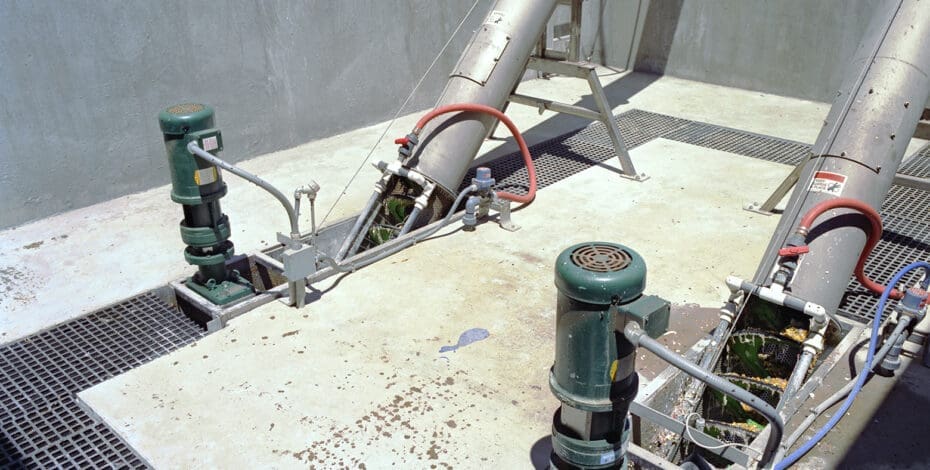
The vertical Auger Monster is attached to the wall of the pump station next to the influent pipeline and captures rags, wipes, plastics and trash before they get inside the wet well. The screen is custom built to fit each site and can screen up to 1 million gallons per day (158 m3/h). It can also be installed as a headworks screen for a small treatment plant or lagoon system.
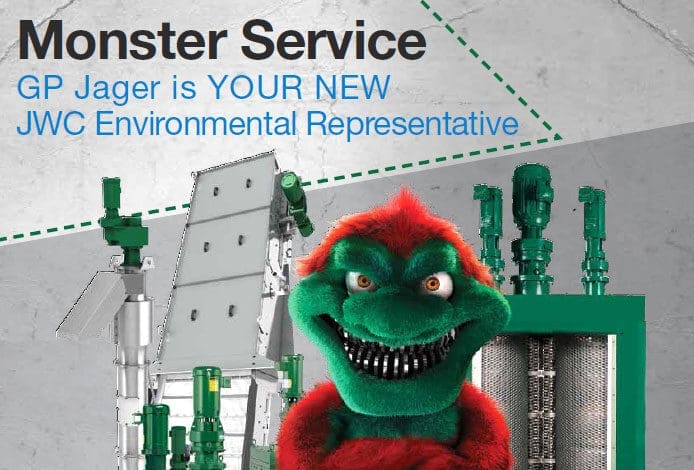
JWCE is pleased to welcome John Fuhrman as our Northeast Senior Sales Manager. John has ten years of experience selling Muffin Monsters as a salesman for Misco Pacific in the San Francisco Bay area. More recently John was a Regional Sales Manager for Polychem Corp managing wastewater projects from their Reading, PA headquarters.
“We’re thrilled to have John join the Sales team,” said Warren Brown, National Sales Manager. “His years of experience, knowledge of JWCE products and familiarity with our Rep organizations allow him to hit the ground running. John is a perfect fit for the JWCE family and our customers.”
John started in the water/wastewater business in 1979 with Envirex, a leading manufacturer offering a wide range of equipment. Starting out as a field service technician he rose in the ranks of Envirex and later US Filter to become the first Regional Aftermarket Sales Manager, as well as setting up their first office in the Pacific Northwest.
One of John’s largest JWCE orders ever was for several large Channel Monsters model CDD6020-XD sewage grinders for the Milpitas Pump Station in Northern California.
After 24 years this Muffin Monster is finally coming back in to get a new set of sharp steel cutter teeth. (credit: Gore Mtn)
At Gore Mountain ski resort in New York, a Muffin Monster sewage grinder faithfully chews-up all the debris flowing into the treatment plant into small particles in order to protect pumps and systems from clogging.
After 24 years of continuous operation the grinder is finally taking a break from the slopes and coming back to JWC Environmental’s Buford, Georgia rebuild facility to get a new set of sharp steel cutter teeth installed. Then it’s back up on Gore Mountain again for even more shredding.
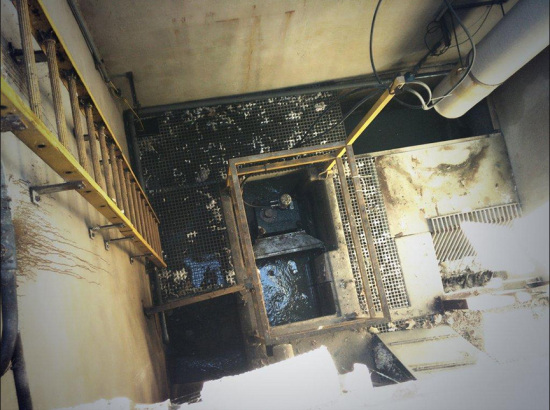
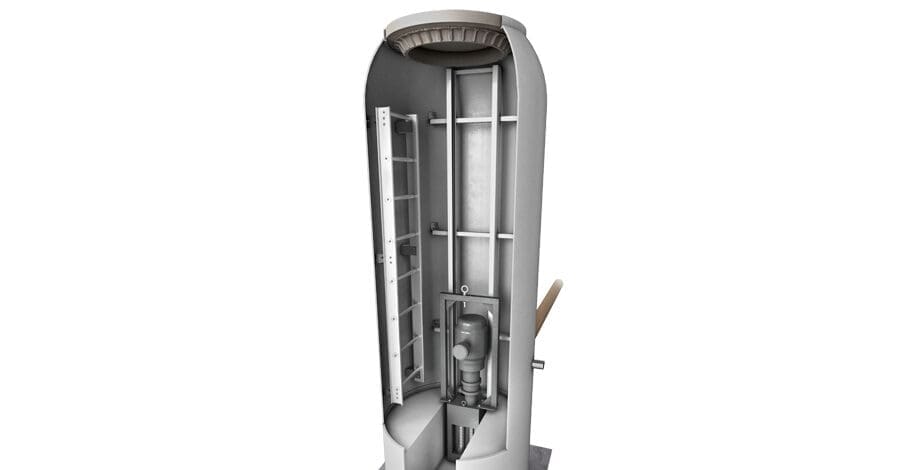
There's a Muffin Monster down there chewing up rags, wipes and other pump clogging debris. (credit: Dean Wiebenga, Peterson & Matz)
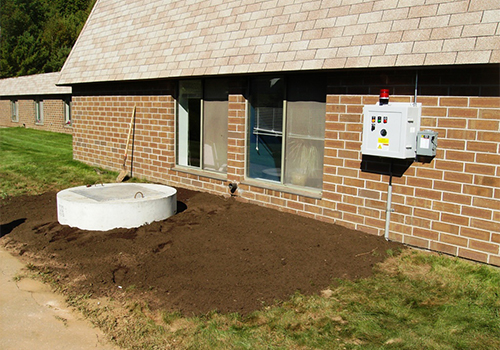
When Otter Creek Water Reclamation District was faced with expensive reoccurring clean-up costs because of rags, wipes, flushables and debris at their largest wastewater pump station, engineers solved the problem with a Muffin Monster sewage grinder.
The Village of South Elgin, established in 1897, is a picturesque community that attracts visitors and new residents with its old world charm. Located about 40 miles northwest of Chicago, Illinois, the Village’s 22,000 residents rely on three wastewater pump stations. The largest of these is located at the Thornwood Lift Station where flow to the station is about 490 gpm (110 m3/h) and three 40-hp (30 kW) pumps need to move sewage at about 600 gpm (136 m3/h) @ 36’ (11m) TDH. Here, build-up of rags, trash wrappings and other debris were clogging the system and forcing it offline. This necessitated regular cleanings totaling over $19,000 per year…
JWC Environmental was awarded a purchase order for a Monster Separation System at IEUA’s Regional Water Recycling Plant Number 4 in Rancho Cucamonga, California. The plant is undergoing an expansion to handle 14 million gallons per day (2,200 m3/h).
“The plant was having trouble with material bypassing the old bar screens, issues with hair and rags clogging pumps and building up inside the sludge digesters,” said Tom Roberson of Misco Water, the equipment consultant on the project. “IEUA carefully examined all their options, including screening the sludge, but decided the best choice was fine screens at the headworks. They want to remove all the debris right at the headworks.”
The Finescreen Monsters will stand nearly 30′ (9m) tall and can each handle a max flow of 36 mgd (5,700 m3/h).
IEUA operates several water reclamation facilities in Southern California’s Inland Empire. Plant number 4 is a water recycling facility which purfies wastewater to meet strict California Title 22 reuse requirements.
Once the plant is upgraded – wastewater will enter the plant’s influent pumping station; pass through the perforated plate Finescreen Monsters; then primary settling; secondary aeration; bio-nutrient removal; sand filters and finally through a chlorine disinfection process. The purified water is used for cooling water in a local power plant as well as for irrigation on parkways, medians and golf courses.
JWCE’s Finescreen Monster uses high-strength UHMW, perforated screening panels to capture rags and debris and remove them from the wastewater. Small ¼” (6mm) circular openings capture all debris including small items – such as cigarette butts, latex and plastics. Screenings Washer Monster then grinds, cleans, dries and compacts the debris before depositing it in a trash bin, ready for landfill disposal. It removes nearly all fecal matter and has reduced the cubic volume at some sites by 95%. Cleaner, more compact discharged screenings helps reduce the expense of hauling and landfilling screenings.
Misco Water is an equipment consultant with offices in Northern and Southern California, and Las Vegas, NV.
JWCE introduces a brand new dry fit Nike Golf shirt. It has the Muffin Monster logo on the right sleeve and the Nike swoosh on the left sleeve. This is a perfect shirt for a nice day at the golf course, or a nice day working at a wastewater treatment plant.
The sizes for Women range from Small to XX-Large. The sizes for Men are from Small to XXX-Large.
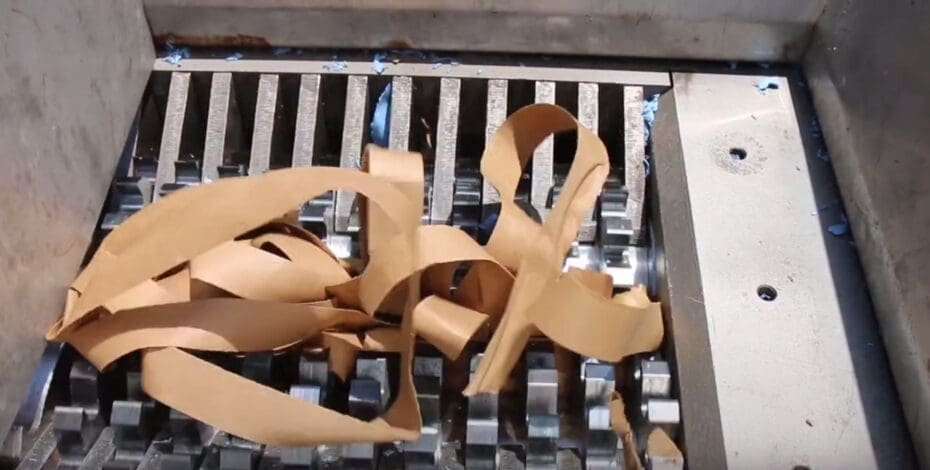
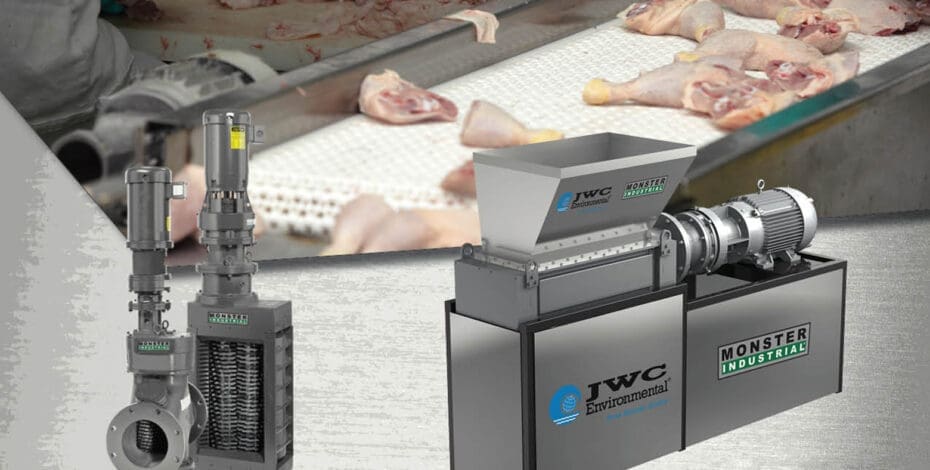
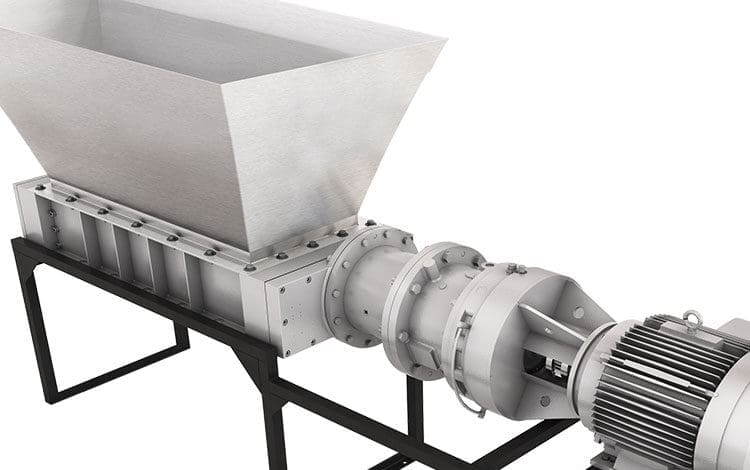
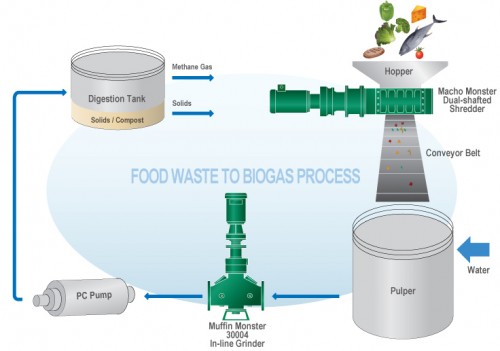
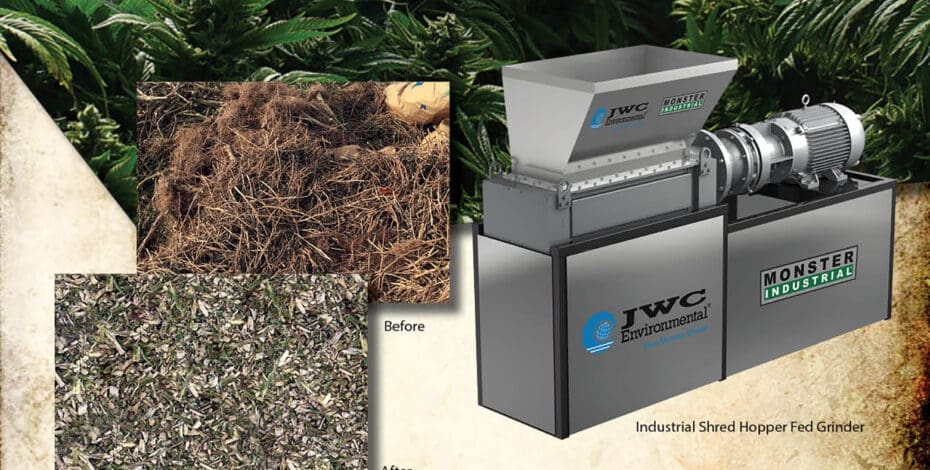
JWC Environmental introduces its largest grinder ever – the Macho Monster model 70000. This massive two-shafted grinder features an extra-large robust cutting chamber designed specifically for processing high-volume solids in large scale shredding applications such as wastewater screenings, various heavy-duty industrial dry grinding applications, food waste receiving, petrochemical and other various large scale, wet or dry solids reduction applications.
Primarily designed for use in automatic hopper-fed configurations, this dual-shafted grinder features two rows of large 10-inch (254mm) diam., 7/8-inch (22mm) thick cutters designed to grab large debris for size reduction and further processing. Built with JWCE’s largest, 4-inch (101mm) diam. hex shaft size, the grinder produces an impressive 20,000 lbs. of cutting force at peak loads. JWCE engineers can also custom design cutter configurations to meet specific application needs.
“The massive 70000 operates using a slow speed, high torque design and can be configured with a 25 HP (18.5kW) to 50 HP (37kW) motor mounted on corresponding 87:1 to 43:1 gear reducers, making this one mean, green grinding machine” says Rob Sabol, Director of R&D.
Global software company Autodesk recently featured JWCE and Rob Sabol, our director of Research and Development, on their news website. Rob discussed the benefits of AutoCAD software and the ways our researchers and designers use it to come up with inventive new Monster sewer grinders and fine screens.
Rob said JWCE was operating on multiple different platforms—with everything from VersaCAD for electrical schematics, ExpertCAD and Pro/ENGINEER for mechanical design, and Pro/INTRALINK for managing their design data. After seeing how seamlessly Autodesk Inventor, AutoCAD Mechanical and Electrical, and Vault operate together, he was convinced that he could simply get rid of the other platforms and standardize on Autodesk design and data management software.